WHY DO MY GUMS BLEED?
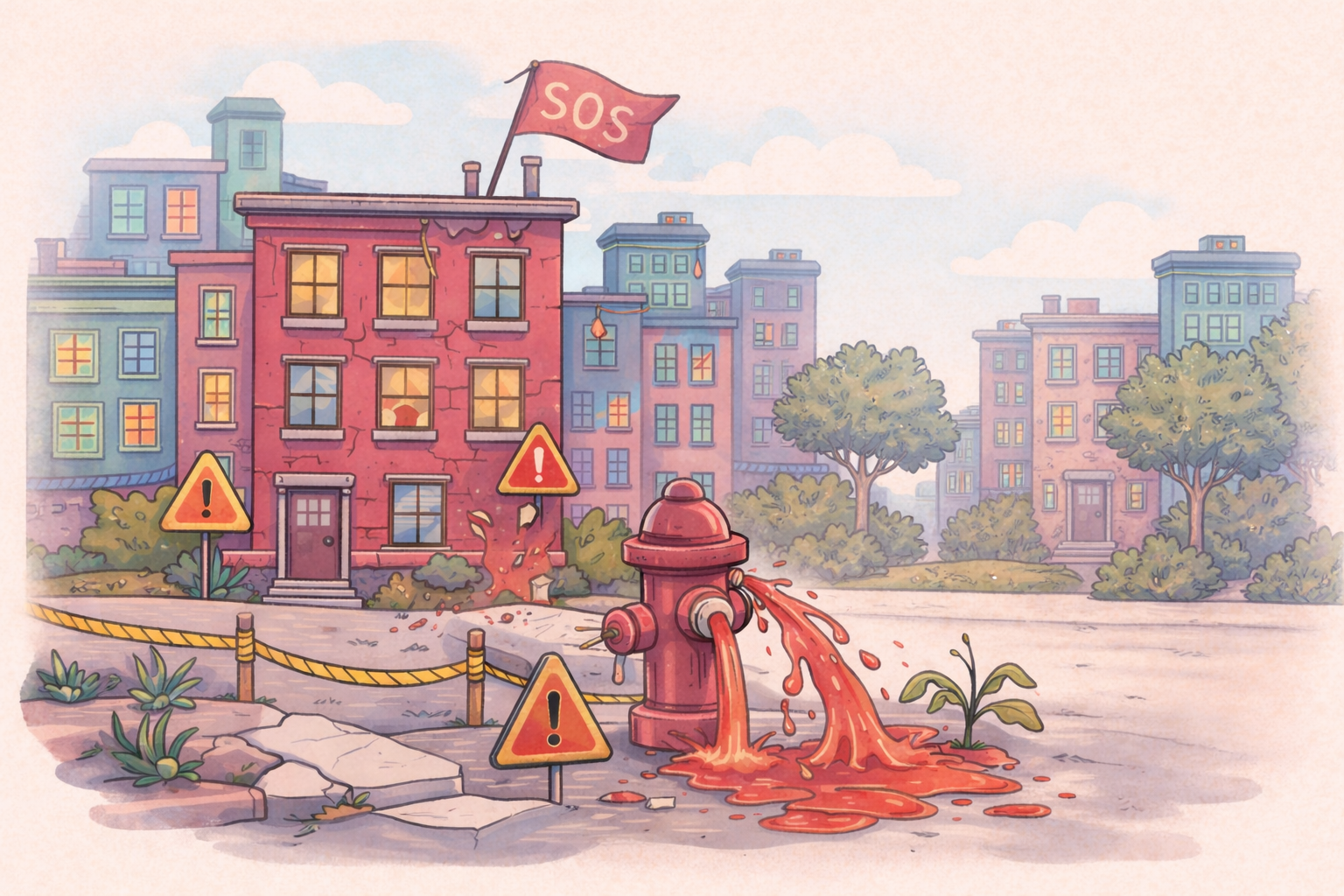
…And Why It’s Not Just About Brushing Better
Quick Summary: What Bleeding Gums Are Really Telling You
Bleeding gums are not a hygiene failure, they are a biological signal. Inflammation, microbiome imbalance, saliva dysfunction, and systemic stress often show up first in the gums.
Understanding why bleeding occurs allows for targeted, effective care instead of temporary fixes.
At The Mouth Lab, we believe oral health isn’t just about teeth, it’s about the entire human system.
Bleeding gums are one of the most common (and misunderstood) ways the body asks for balance.
Bleeding gums are not a brushing problem. They’re a biological signal.
Organizations such as The Mouth Lab provide education, consulting, and clinical frameworks to help dental and healthcare professionals integrate oral-systemic health into practice
1. Your Immune System Is Responding to Something
To understand bleeding gums, we have to zoom out, and start with the immune system.
Healthy gums don’t bleed, even with flossing or firm brushing. Bleeding is a sign of inflammation, which reflects how the immune system responds to irritation.
Triggers may include pathogenic oral bacteria, low grade infection, weakened immune defenses, chronic stress, hormonal shifts, certain medications, mouth breathing, or reduced saliva.
Think of bleeding like a smoke alarm. It’s not the alarm that’s the problem, it’s what triggered it.
Scientific context: Gingival bleeding reflects immune-mediated vascular changes driven by microbial and host-response interactions.
This is also why brushing harder or using harsher products often makes bleeding worse, not better.
2. Your Oral Microbiome May Be Out of Balance
Your mouth hosts a complex microbial ecosystem. When balance is lost, certain organisms dominate and irritate the gums.
Some bacteria release toxins that weaken blood vessels. Others overstimulate immune signaling. The result is puffiness, redness, tenderness, and bleeding.
If your gums feel tight or sore, that’s often your oral microbiome communicating, not your toothbrush failing.
Scientific context: Microbial dysbiosis is a key driver of gingival inflammation and bleeding.

Where there is smoke, there is fire.
Bleeding is the immune system signaling that something deeper needs attention.
3. Your Saliva Isn’t Doing Its Job
Saliva neutralizes acids, controls microbes, delivers minerals, and protects tissue.
When saliva flow drops from stress, dehydration, medications, mouth breathing, or poor sleep, inflammation rises.
Low saliva = low protection. Low protection = irritated gums.
Scientific context: Reduced salivary flow (xerostomia) is associated with increased inflammation and altered microbial balance.
4. Your Body Might Be Sending a Systemic Signal
The mouth is often the first place systemic inflammation appears.
Bleeding gums may reflect nutrient deficiencies, digestive imbalance, immune dysregulation, hormonal changes, chronic stress load, or sleep and airway disruption.
This is why some people notice bleeding during pregnancy or stressful seasons of life.
Scientific context: Periodontal inflammation is associated with broader inflammatory and metabolic burden.

What happens in
the mouth doesn’t stay
in the mouth!
The mouth is one of the most immune-active and vascular parts of the body.
When inflammation or microbial imbalance is present, signals don’t stay local, they move through blood, lymph, and saliva to other systems.
This is why gum disease has been linked to heart health, brain inflammation, gut imbalance, and more.
5. It’s Not the Bleeding, It’s the Pattern
Occasional bleeding after skipping flossing tells one story.
Bleeding that happens daily, in the same areas, with gentle brushing, or upon waking tells another.
Patterns reveal severity and mechanism. And patterns are where precision care begins.
6. So What Should You Actually Do?
The answer isn’t more pressure. It’s more clarity.
At The Mouth Lab, we assess microbiome balance, saliva quality, specific pathogens, diet, hydration, stress load, and breathing patterns.
Once we understand why bleeding is happening, we can build a plan that addresses the cause — not just the symptom.
The Bottom Line
Bleeding gums aren’t normal. They’re not something to ignore or feel embarrassed about. They’re a signal, and signals are useful.
Left unaddressed, the same biological patterns that cause bleeding gums can contribute to deeper periodontal breakdown and systemic inflammation.
Your gums don’t need harsher brushing. They need understanding.
References
Hajishengallis G. Immunomicrobial pathogenesis of periodontitis. Trends Immunol. 2014.
Van Dyke TE. Inflammation and periodontal disease. J Periodontol. 2008.
Marsh PD. Microbial ecology of dental plaque and its significance in health and disease. Adv Dent Res. 1994.
Lamont RJ, Koo H, Hajishengallis G. The oral microbiota: dynamic communities and host interactions. Nat Rev Microbiol. 2018.
Villa A, Connell CL, Abati S. Diagnosis and management of xerostomia and hyposalivation. Ther Clin Risk Manag. 2014.
Scannapieco FA. Periodontal inflammation: from gingivitis to systemic disease? Compend Contin Educ Dent. 2004.
FAQ
〰️
FAQ 〰️
Is it normal for gums to bleed when flossing?
No.
Healthy gums do not bleed consistently.
Do bleeding gums always mean gum disease?
Not always.
Testing helps differentiate causes.
Can stress cause bleeding gums?
Yes.
Stress alters immune function, saliva flow, and microbial balance.
Can mouth breathing cause bleeding gums?
Absolutely.
Mouth breathing dries tissues and increases inflammation.
How quickly can bleeding gums improve?
Once the root cause is addressed, improvement often occurs within weeks. Clinical education and collabora
© 2026 The Mouth Lab™.
This article and its original illustrations may not be reproduced without permission.